


One Platform. Infinite Possibilities.
Stop juggling spreadsheets. Start scaling your energy business.


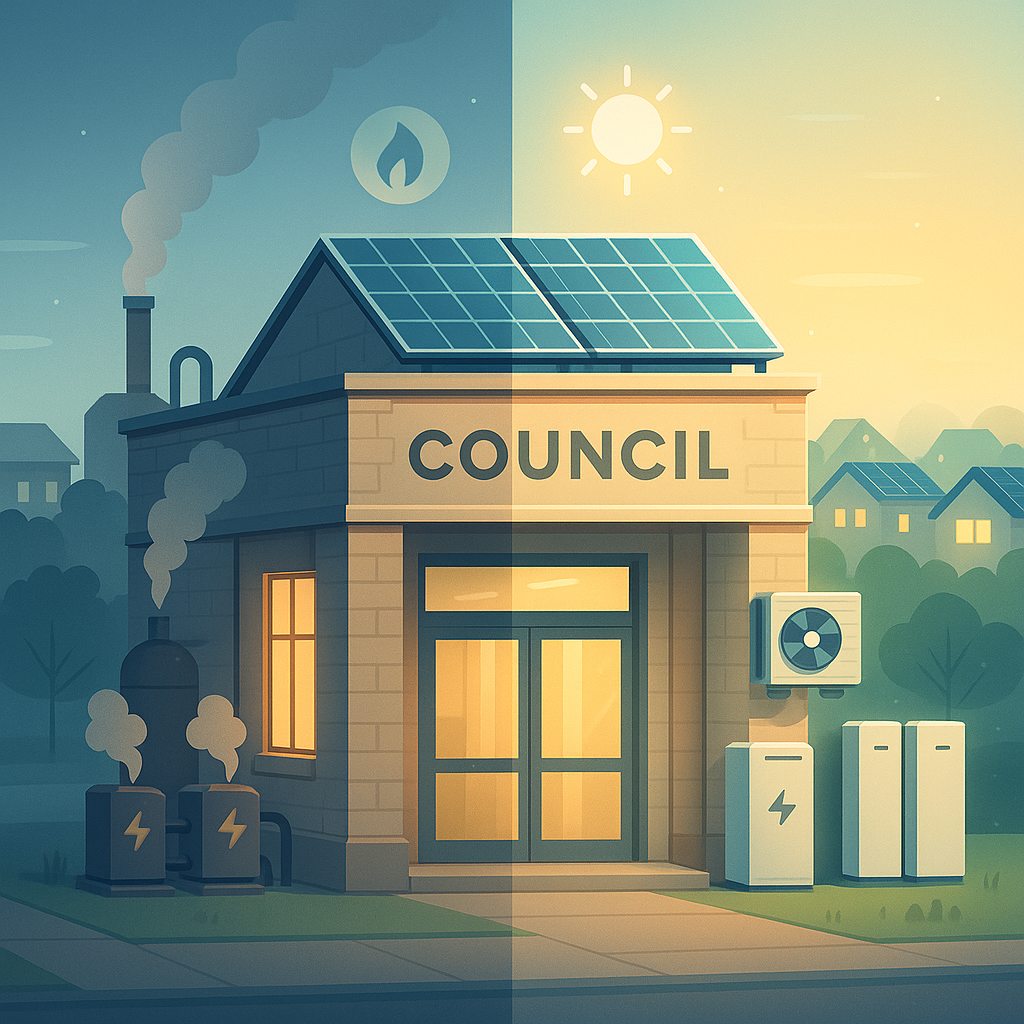
Victoria has just kicked off a major round of council-level electrification projects — replacing gas systems, installing heat-pump hot water, upgrading HVAC, and expanding solar across public buildings. These upgrades aren’t just about improving libraries, pools, and leisure centres. They’re early indicators of what households can expect next.
Historically, Victoria moves from council trials to household rebates within 12–24 months. With over $8 million in new federal funding going directly into electrification across 10 councils, the 2026–2027 rebate cycle is shaping up to be one of the strongest yet.
Here’s the quick version of what’s likely to happen.
Council buildings run long hours and use huge amounts of energy. When they shift away from gas and trial large heat pumps, rooftop solar and electric upgrades, the government gets real-world data on:
Once technology is tested at council scale, rebates usually expand to households — safer, cheaper, and with clearer ROI for residents.
Based on current policy direction, council upgrades and VIC’s Gas Substitution Roadmap, these household incentives are the strongest candidates:
✔ Heat-pump hot water:
High likelihood of increased rebate values. Councils are installing these first because they cut gas use fast and deliver strong emissions outcomes.
✔ Home batteries:
Continued or expanded rebates likely as electrification increases pressure on local grids.
✔ Solar panels:
STC discounts will drop again from 1 January 2026, but state-level top-ups may appear for priority groups.
✔ Induction & appliance electrification:
Still emerging, but aligns with Victoria’s push to reduce household gas consumption.
✔ Whole-home electrification bundles:
Bundling solar, battery, heating, and hot water upgrades is becoming a preferred policy model.
Gas will become more expensive
As public facilities disconnect, gas network costs will be spread across fewer homes.
Solar & batteries may become cheaper before demand spikes
Large council projects stabilise the installer workforce and hardware supply chain.
Better grid conditions help homeowners with solar
More public buildings running daytime solar reduces export limits and inverter throttling.
Rebates will be time-sensitive
VIC incentives historically reward early movers before funding pools tighten.
Whether you’re planning your own upgrade or advising customers:
These next 18 months are likely to be the strongest window before new incentive programs open and existing rebates decline.
Source : https://tr.ee/UbWUfO


